

When Remote Rehab for Athletes Works Best
- Robert Walters
- 3 days ago
- 6 min read

A rolled ankle after practice. A sore shoulder that will not settle after lifting. A hamstring tweak two weeks before a race. The hardest part is often not the injury itself - it is the uncertainty that follows. Remote rehab for athletes gives you a structured first step when waiting days or weeks for an appointment does not match the urgency of your training goals.
The right digital plan does not promise an overnight return. It helps you understand what stage of recovery you are in, what you can safely work on now, and what needs to wait. That clarity can prevent the common cycle of doing too much too soon, backing off completely, then losing more time than necessary.
What remote rehab for athletes actually does
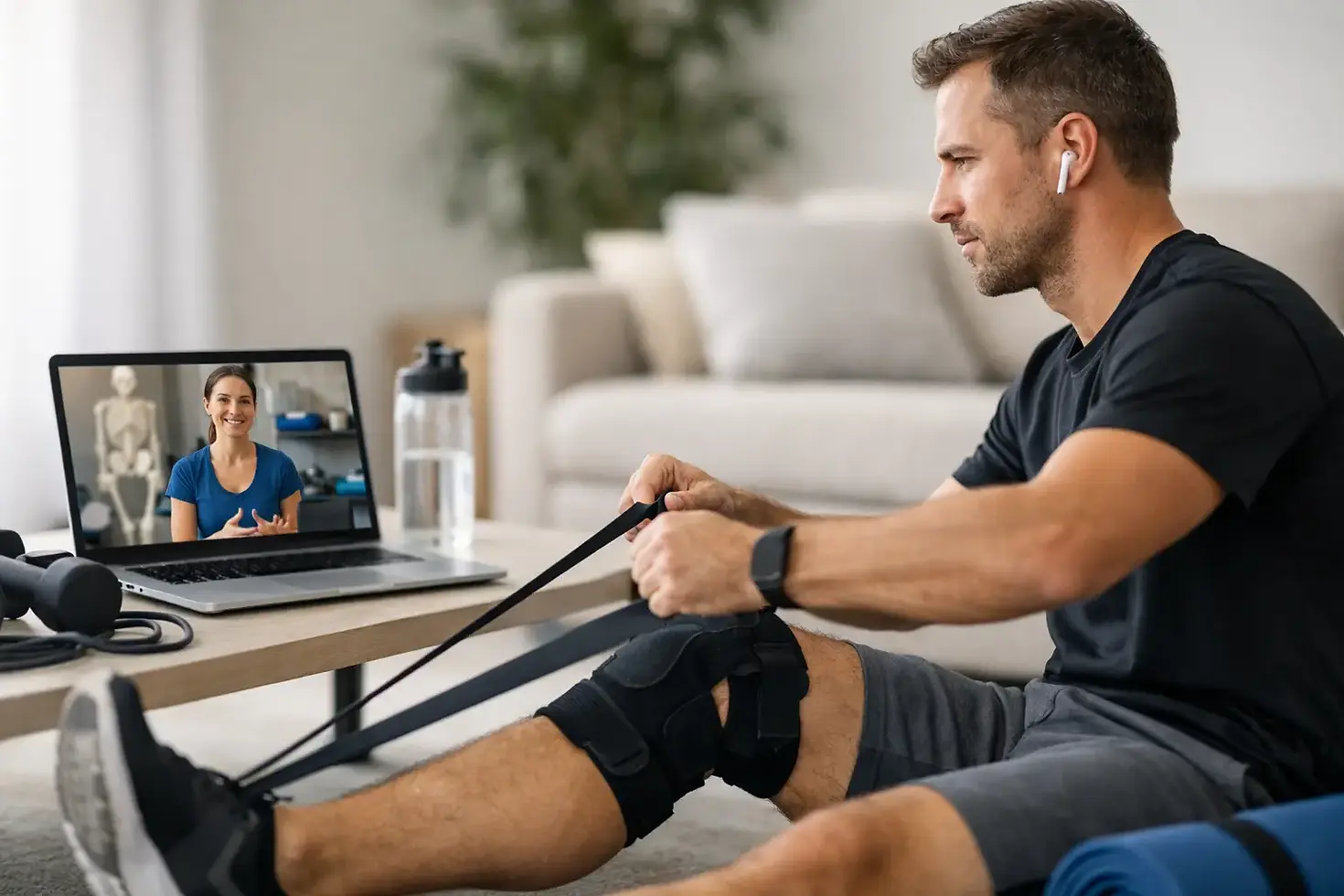
Remote rehab is guided recovery delivered through a digital platform rather than a traditional clinic visit. For an athlete, that should mean more than a generic collection of stretches. A useful program organizes your recovery around the injury, your symptoms, and the phase of healing.
Early on, the focus may be reducing aggravation, protecting the area, maintaining movement where appropriate, and avoiding the mistakes that turn a manageable injury into a longer layoff. As symptoms improve, the plan should progress toward range of motion, strength, balance, load tolerance, and sport-specific movement.
That progression matters. The exercise that helps on day three may be the wrong exercise on week three. Similarly, a movement that feels easy in a controlled setting may not mean you are ready for hard cuts, heavy lifts, sprinting, or a full game. Remote rehab works best when it gives you a clear next action instead of asking you to guess.
Why athletes choose a digital recovery plan
Most active people do not need more injury content. Search results already offer thousands of videos, opinions, and protocols. What they need is a decision framework: What should I do today? What should I avoid? How do I know when to progress?
A phase-specific digital plan can provide that structure immediately. You can begin with appropriate guidance the same day an injury happens rather than filling the gap with random exercises, complete inactivity, or advice from someone whose injury was not like yours.
Convenience also matters when your schedule includes classes, work, practices, travel, or family obligations. Remote guidance fits into the time you actually have. You can complete a focused session at home, in the gym, or while traveling, then return to the plan when you are ready for the next stage.
The biggest benefit is not simply doing rehab from your phone. It is staying consistent with a plan that has a reason behind each step. Recovery usually responds better to steady, appropriate loading than to occasional bursts of effort followed by long gaps.
When remote rehab is a strong fit
Remote rehab can be especially helpful for common sports and training injuries when symptoms are stable and you need a clear path forward. That may include a mild ankle sprain, a gradual onset knee issue, a muscle strain that is improving, shoulder irritation from training, or an overuse problem related to running volume.
It is also useful for athletes who have already been evaluated and want help following through on a progressive home program. Knowing that you need to strengthen your hip or improve ankle control is one thing. Having a guided sequence that tells you how and when to build those qualities is another.
Your level of experience matters less than your willingness to follow the process. A high school soccer player, weekend tennis player, and competitive lifter can all benefit from clear recovery direction. Their end goals differ, but each needs to rebuild capacity before returning to full intensity.
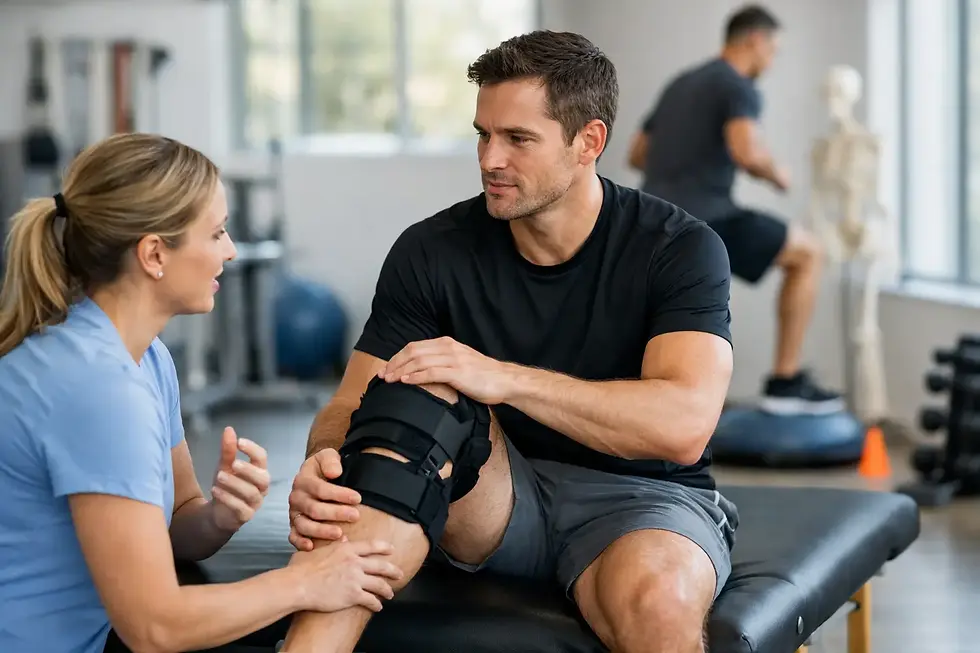
Remote rehab is not the best standalone option for every situation. Severe pain, obvious deformity, inability to bear weight after an acute injury, a joint that feels unstable or locked, numbness, rapidly increasing swelling, fever, chest pain, or symptoms after a significant head impact call for urgent in-person medical evaluation. The same applies when pain continues to worsen or does not respond as expected. Digital guidance should support good decisions, not delay necessary care.
The phases that protect your return to sport
Athletes often judge recovery by one question: Does it hurt less? Pain is useful information, but it is not the full return-to-play test. You also need confidence, control, strength, and the ability to tolerate the demands of your sport.
Phase 1: Settle the problem without shutting down
The first phase is about managing symptoms and protecting irritated tissue while preserving as much useful movement as possible. Depending on the injury, that can mean modifying training, using gentle mobility work, and choosing alternatives that do not spike symptoms.
This is not a phase for testing your toughness. A common mistake is trying the painful movement every day to see if it has magically improved. Another is avoiding all activity for too long. The right approach sits between those extremes: respect symptoms, keep moving within appropriate limits, and give the injury a chance to calm down.
Phase 2: Restore movement and basic strength
Once symptoms are more manageable, recovery shifts toward rebuilding what the injury disrupted. That may include joint range of motion, muscle activation, basic strength, balance, and control.
The work can feel almost too simple at this point. That is normal. Early strength and control exercises create the base for heavier loading later. Skipping them because they do not feel athletic enough can leave you with a weak link that shows up as soon as practice gets faster or the weight gets heavier.
Phase 3: Build capacity for your real demands
This is where rehab starts looking more like training. You gradually increase resistance, volume, speed, impact, and complexity. A runner may progress from walking tolerance to controlled running volume. A basketball player may build from strength and landing control to jumps, deceleration, and change-of-direction work.
Progression should be earned, not assumed. If symptoms flare during a session or remain meaningfully worse the next day, the last increase may have been too aggressive. That does not mean you failed. It means the plan needs an adjustment.
Phase 4: Return to sport with a test, not a hope
Feeling better during daily life is different from being ready for competition. Return-to-sport work should reflect the movements, speed, fatigue, and unpredictability of your activity. A knee that handles bodyweight squats may still need preparation for a long run downhill. A shoulder that tolerates light pressing may not be ready for repeated serves.
Remote rehab can help you move through this phase with checkpoints rather than relying on a single pain-free day. The goal is to return with enough capacity to participate, not merely survive the first session back.
How to get better results from remote rehab
Digital rehab gives you access and structure. Your results still depend on how you use it. Start by being honest about your symptoms and your training demands. If you are preparing for a tournament, lifting four days a week, or walking across campus all day, those details affect the right progression.
Then treat rehab sessions like part of your training schedule. Short, consistent work beats an ambitious plan you only complete once a week. Track how the injured area responds during exercise, later that day, and the following morning. That feedback helps you distinguish productive discomfort from a workload that is outpacing recovery.
Keep your return-to-training decisions separate from your frustration. Athletes are wired to push through. That mindset is valuable when the plan calls for progressive effort, but it can be costly when the body is signaling that you have moved ahead too fast. A good plan gives you permission to work hard at the right time and pull back when the evidence says to.
Finally, avoid comparing your timeline to someone else's. The same diagnosis can recover differently based on injury severity, previous injuries, sleep, stress, training history, and how well the athlete manages load. Progress is not always linear, but a clear phase-specific plan keeps small setbacks from becoming a full restart.
Start with the next correct step
The best recovery plan is not the most complicated one. It is the one that meets you where you are, gives you a practical action for today, and progresses as your body earns more demand. BounceBack Rehabilitation is built to provide that kind of immediate, athlete-focused direction when an injury interrupts your routine.
You do not need to solve your entire return to sport today. You need the next correct step, then the consistency to take the one after it. Download the BounceBack app on the App Store to start your personalized recovery plan.


Comments